

Raised Bed Gardening: A Simple Guide to Getting Started
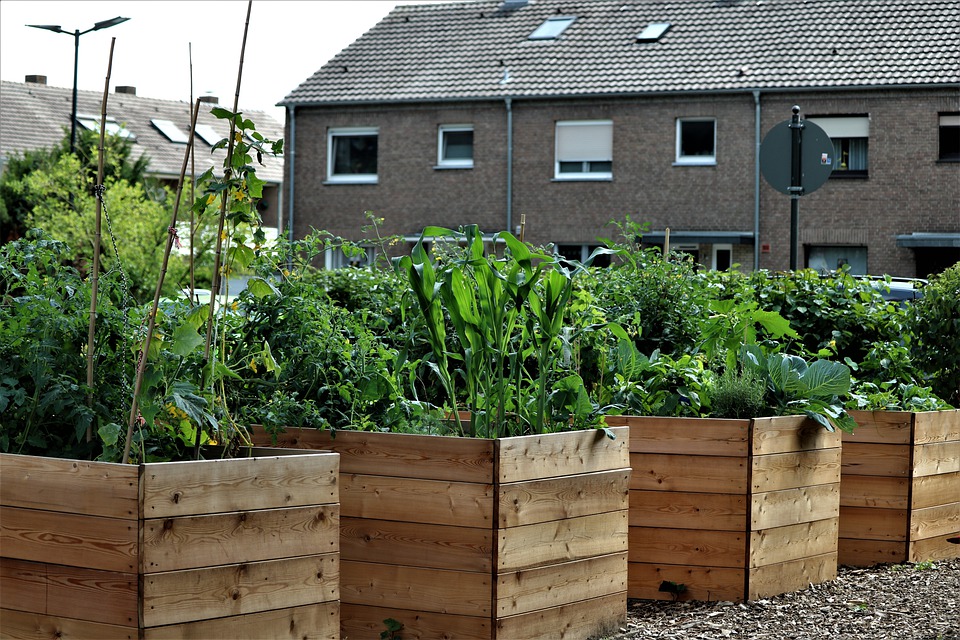
There’s a lot to love about raised bed gardening. You don’t have to kneel. The soil warms up faster in spring, which allows for earlier planting. You also control the soil composition. And maintenance feels much more manageable.
Ready to build your own? Here’s how to get started.
1. Choose the Right Location
First things first, we need to pick a spot for your bed. Your location depends on what you plan to grow.
For Vegetables and Herbs
Vegetables and herbs need at least 6 hours of full sun per day. More sun usually means stronger growth and better yields.
For Annuals and Perennials
If you’re planting shade-loving annuals or perennials, choose a spot with morning sun and afternoon shade or dappled light.
Whenever possible, place your raised bed near a water source. You’ll thank yourself later when you’re not having to drag a hose over your entire yard to water.
2. Design Your Raised Bed
Once you’ve selected your location, it’s time to plan your bed.
Prefabricated Raised Beds
If you’re new to gardening, starting with a premade bed can make the initial plunge a little easier. Prefabricated raised beds:
-
Come in multiple sizes
-
Use a variety of materials
-
Assemble easily
-
Keep projects simple
They’re a great low-stress option.
Building Your Own Raised Bed
If you want to build from scratch, keep these guidelines in mind:
Width
Keep beds 4 feet wide or less. This allows you to reach the center without having to lean too far over or having to step into the bed to reach things in the center.
Depth
Aim for 12–18 inches deep.
Anything shallower than 12 inches can limit root development. Deeper beds allow for stronger roots but require more soil.
Length
Length is flexible.
-
Have space? Try 10 feet long.
-
Limited space? A 4’ x 4’ bed works beautifully.
Design around your yard and your comfort level.
Choose the Right Materials
Wood is the most popular option, especially cedar, because it resists rot naturally.
Other good options include:
-
Stone
-
Pavers
-
Composite materials
-
Recycled materials
Avoid untreated metal. It can rust and deteriorate over time.
3. Fill Your Raised Bed with Quality Soil
Soil makes or breaks a raised bed.
For a simple, nutrient-rich option, use Coast of Maine Raised Bed Soil.
If you prefer to mix your own soil blend, try this recipe:
-
50% topsoil
-
40% compost (such as Coast of Maine Lobster Compost)
-
10% mix of vermiculite, peat moss, and earthworm castings
This combination improves drainage, boosts nutrients, and supports strong root growth.
4. Pick Your Plants
Now comes the fun part.
Visit Ken Matthews Garden Center and choose plants that match your sunlight conditions.
You can grow:
-
Vegetables
-
Herbs
-
Annuals
-
Perennials
Start with seeds or starter plants. If you’re new to seed starting, check out our seed starting guide.
5. Plan Before You Plant
Before digging, lay everything out.
Place taller plants where they won’t shade shorter ones. For example, tomatoes and trellised cucumbers should sit on the north side of the bed whenever possible.
Also, keep plant compatibility in mind. Some vegetables grow better together than others. (See our companion planting guide here.)
6. Plant Properly for Strong Roots
Once your layout feels right, start planting.
-
Dig a shallow, bowl-shaped hole.
-
Gently loosen the roots.
-
Place the plant so the top of the root ball sits about ½ inch above the soil line.
-
Backfill with soil.
-
Water thoroughly.
Install supports like tomato cages or stakes at planting time. Doing it later can disturb the roots.
7. Water Consistently
Most plants need about 1 inch of water per week, though summer heat may increase that amount.
Water deeply at the base of each plant. A water wand makes the job easier.
Use a rain gauge to track rainfall. If nature does the watering, you don’t need to.
Avoid soaking the foliage. Wet leaves encourage fungal and bacterial issues.
8. Fertilize at Planting Time
Feed plants at planting to support root development and early growth.
Use:
-
Espoma GardenTone or TomatoTone for edibles
-
Espoma FlowerTone for annuals and perennials.
Follow label instructions carefully for best results.
9. Monitor for Insects and Disease
Pests and diseases happen. Daily observation keeps them manageable.
Check leaves for:
-
Holes
-
Discoloration
-
Wilting
-
Chewing damage
Act quickly if you notice issues. Bonide Neem Oil provides an organic option for controlling insects, mites, and certain diseases.
Good airflow and proper watering also reduce problems.
10. Harvest Promptly
Watch your plants closely as they mature.
Harvest vegetables when they reach peak ripeness. Prompt harvesting encourages continued production and keeps wildlife from beating you to it.
(See our harvest timetable here.)
Additional Tips
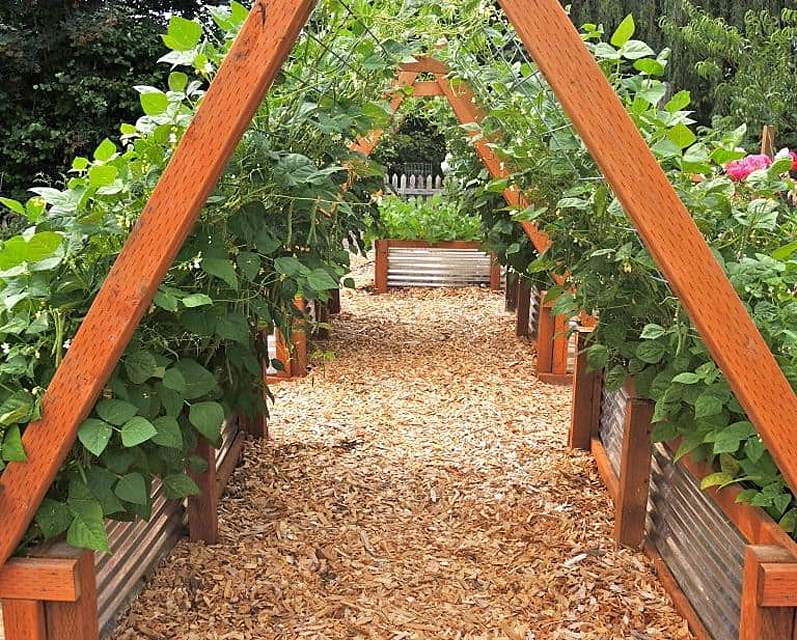
- Raised beds don’t have to be boring rectangles. Check websites like Pinterest and Instagram for ideas on raised beds that are both decorative and functional! This page from The Spruce is a great place to start looking!
- Start small, it’s better to be thrilled with the results of a small garden than overwhelmed by a large one.
- Pick up necessary items like tomato cages, plants supports and fertilizers when you’re purchasing your plants as they will be needed during the planting process.
- Keep a gardening journal where you can detail all your successes (and even the failures) so you know what to replicate next year and what to avoid.
- Never (and we mean never) ever use straight top soil in your raised beds. Top soil is far too heavy and retains far too much moisture for use as a planting medium.