


Sod: A Fast, Reliable Way to Get a Green Lawn
Do you dream of a lush, green lawn but don’t want to wait months for grass seed to grow in? Sod may be the perfect solution. It offers quick results, reliable establishment, and instant curb appeal, making it a popular choice for homeowners who want a finished lawn without the long wait.
Before you decide, it helps to understand how this option compares to traditional seeding and which factors matter most for your yard.
What Is Sod?
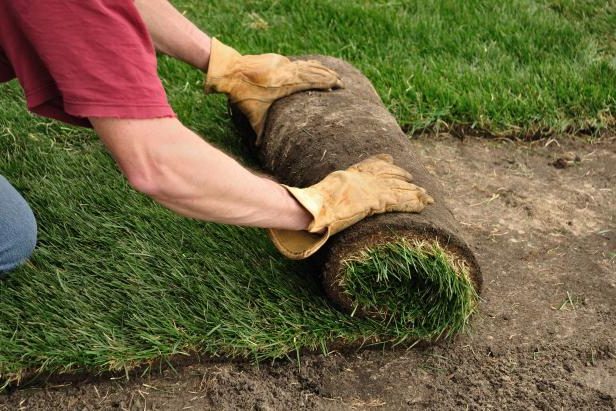
Sod consists of pre-grown grass that professionals cultivate, harvest, and sell in rolls or sections. Installers place these sections directly onto properly prepared soil, allowing the grass to continue growing in its new location.
The biggest benefit is speed. You enjoy a full, green lawn the same day you install it. With consistent watering and proper care, the roots usually root into the soil within about two weeks, creating a strong, healthy foundation.
Sod vs. Seed: Which Option Works Best?
Homeowners often ask whether sod or grass seed makes a better choice. No single answer fits everyone. Your budget, timeline, lawn size, and willingness to maintain the area all play a role. Walking through the questions below can help you decide which approach fits your situation.
What Is Your Budget?
Grass seed costs less upfront and works well for covering large areas economically. Sod requires a higher initial investment, but it delivers immediate results and reduces the time and uncertainty involved in growing grass from scratch.
How Quickly Do You Want Results?
If timing matters, sod clearly stands out. With proper care, it can be established in as little as 2–4 weeks and allows you to enjoy your lawn much sooner. Grass seed, on the other hand, usually needs 2–3 months to fill in and strengthen, and planting windows remain more limited.
How Large Is the Area You’re Covering?
Smaller lawns, front yards, and high-visibility spaces often benefit from sod’s instant coverage. Larger areas may make more sense to seed, especially when your budget plays a major role. Measuring your square footage accurately helps you estimate materials and compare costs.
Click here to see our easy calculation formula.
Are You Improving an Existing Lawn?
For successful installation, sod requires direct contact with bare, prepared soil, which means removing existing grass first. If your goal involves thickening a healthy lawn, overseeding works better. If you’re dealing with bare spots, erosion, or damaged sections, sod provides an excellent repair option and blends seamlessly when cut to fit.
How Much Ongoing Care Can You Provide?
Both methods need similar preparation, including weed removal, soil improvement, fertilizing, and consistent watering. The difference shows up after installation. Because sod establishes more quickly, it shortens the intensive care period and allows you to transition to normal lawn maintenance sooner.
What Type of Grass Are You Installing?
Grass variety matters. Some grasses perform far better when installed as sod. Zoysia, for example, germinates slowly from seed and can take a long time to fill in. Installing pre-grown turf allows you to establish a Zoysia lawn faster and more reliably.
What Time of Year Are You Starting?
Seasonal timing can heavily influence success. Installing a cool-season lawn late in spring (or a warm-season lawn near the end of summer) often favors sod, since it tolerates temperature swings better than seed. Rain also plays a role; heavy storms can wash seed away, while sod stays in place and continues rooting.
Making the Right Choice for Your Lawn
Once you consider these factors, choosing between sod and seed becomes much clearer. If you value fast results, dependable establishment, and immediate visual impact, sod often proves to be the best option.
If you’ve decided to install sod, click the link to read our Sod Laying Guide, including step-by-step instructions and a simple formula to calculate how much sod you’ll need.
If grass seed is the better fit, check out our Lawn Renovation and Seeding Guide to get started the right way.