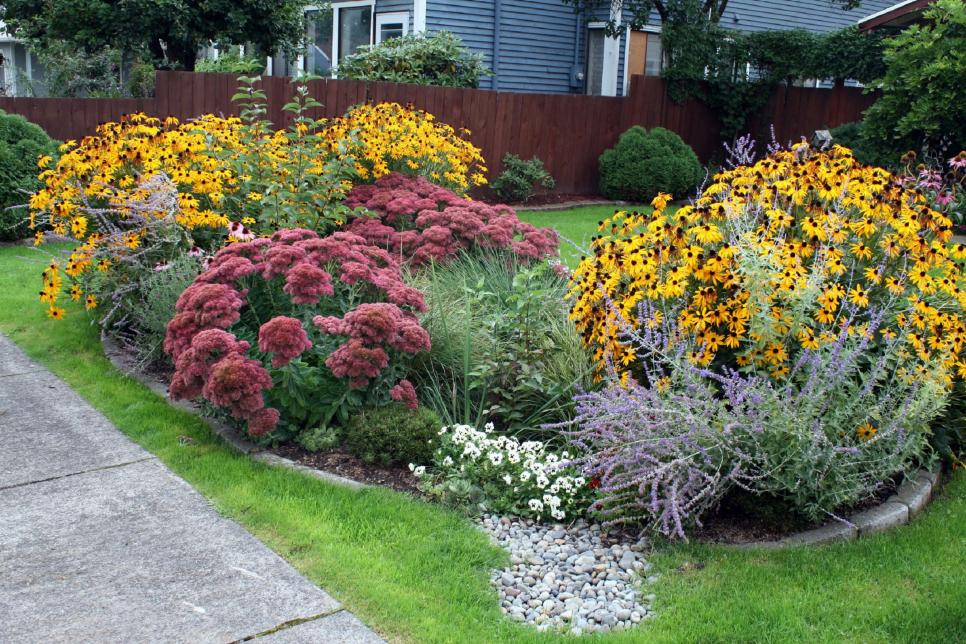

Rain gardens are a beautiful solution to the problem of water runoff as well as standing water. Planting a rain garden can also help prevent erosion and the pollution of local waterways.
How do they work? A rain garden collects water from impermeable surfaces like roads, driveways, compacted soil and off of your roof. Plants in your garden will absorb most of the water, flourishing and adding beauty. Excess water will drain through the soil to re-enter the water cycle. The soil and plants of your garden will naturally filter out pollutants that might be in the water. In fact, it’s estimated that the average rain garden can filter over 30,000 gallons of water a year!
When building your rain garden, it’s important to keep it a minimum of 10-20 feet away from your home. This keeps the standing water away from the foundations of your house and prevents future damage from forming. Make use of low spots in your yard when designing your rain garden. Water naturally runs into these spots which makes them the perfect place for a rain garden. The ideal soil is sandy and well-draining. If your soil is heavy clay (a common occurrence in Hampton Roads) amend it with compost.
Plants Suitable for Rain Gardens
Native plants are the ideal ones to use when creating a rain garden. Because they are native to your area, they are well equipped to handle the weather (and rain) that commonly occurs. Use a mix of perennials, grasses, and shrubs to create an eye-catching garden with function. Many plants used to create a rain garden are also great for attracting pollinators. Click the following link to see our list of pollinator plants: Click Here.
Below is a list of popular plants we carry that work well in rain gardens, however, we may not have every variety listed available at all times.
Perennials and Grasses
These plants make up the bulk of most rain gardens. Once planted, the following perennials and grasses will come back year after year.
Acorus Grass
Agastache
Anemone
Aster
Astilbe
Baptisia
Beardtongue
Bee Balm
Bellwort
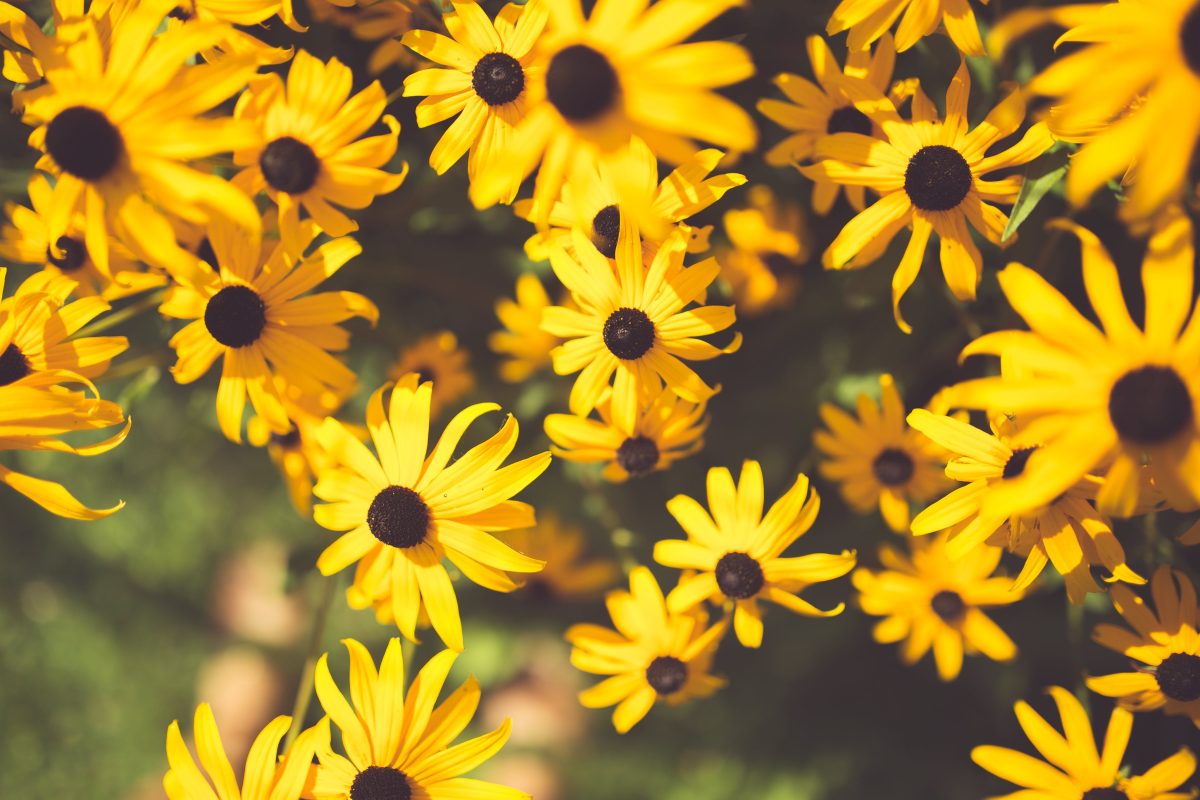
Blackeyed Susan
Blazing Star
Bluestar
Blue Eyed Grass
Calla Lily
Canna Lily
Cardinal Flower
Carex Grass
Coneflower
Coreopsis
Creeping Jenny
Daylily
Ferns
Goatsbeard
Goldenrod
Helianthus
Heliopsis
Hibiscus
Honeysuckle
Hosta
Jacob’s Ladder
Joe Pye Weed
Iris
Knotweed
Ligularia
Liriope
Little Bluestem
Lobelia
Maiden Grass
Mazus
Milkweed
Muhly Grass
Obedient Plant
Phlox
Reed Grass
Rockfoils
Ruellia
Rush Grass
Snakeroot
Sneezeweed
Solomon’s Seal
Switchgrass
Tiarella
Tradescantia
Verbena
Veronica
Virginia Bluebell
Shrubs
Shrubs provide structure and year-round benefits in rain gardens. The following are a mix of evergreens and deciduous plants.
American Beautyberry
Anise
Buttonbush
Chokeberry
Clethra
Inkberry Holly
Leucothoe
Oakleaf Hydrangea
Rose of Sharon
Spirea
Summersweet
Sweetspire
Viburnum
Wax Myrtle
Winterberry Holly
Witch Hazel
Yaupon Holly
Trees
The following trees are excellent choices for rain gardens. Larger varieties like Willows and River Birch are better suited to large gardens while smaller trees like Dogwoods are perfect for medium and smaller ones. Because trees have larger root systems and create shade, avoid adding too many to your garden.
American Holly
Crape Myrtle
Dogwood
Magnolia
Redbud
Red Cedar
River Birch
Serviceberry
Willow
Further Reading About Rain Gardens
Native plants are uniquely suited for rain gardens. The following link will take you to the list of natives we carry: Click Here.
For more information about rain gardens, click the following link to be taken to the Virginia Department of Forestry’s website. Click Here.