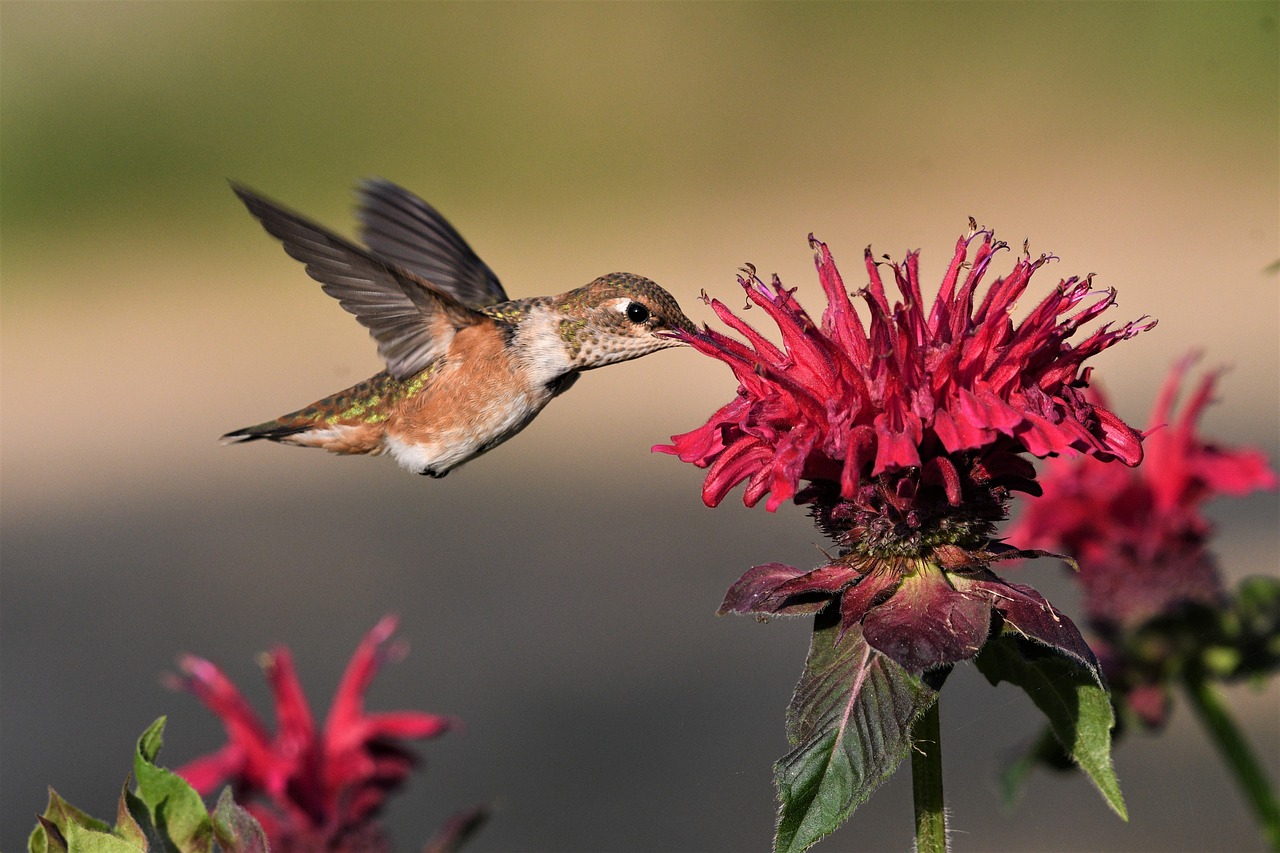

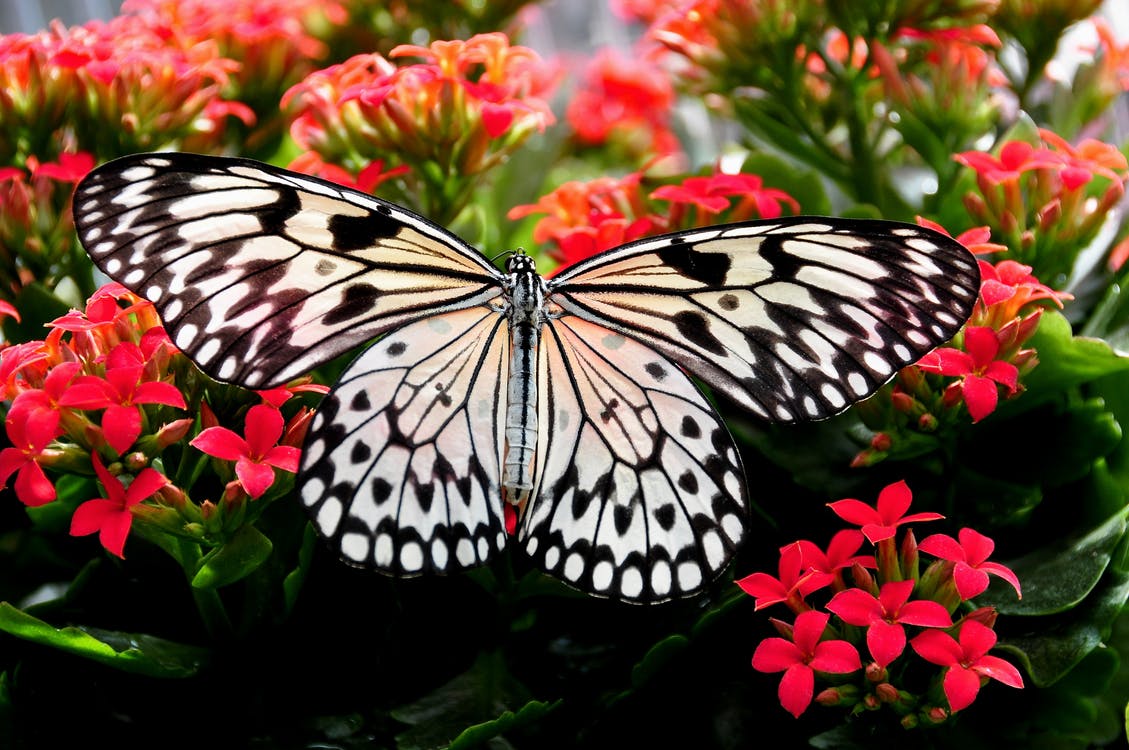
followPollinators have a huge impact on the environment and on us. It’s currently estimated that pollinators are directly responsible for more than one third of the food we eat. In recent years, their numbers have been declining, due mainly to the overuse of pesticides and the development of meadows and woodlands into spaces for human use. Creating a pollinator garden or adding pollinator-friendly plants to your landscape is a huge step in helping our pollinators and our food supply.
Keep in mind, if you are trying to build a pollinator garden, you should keep pesticide use to a minimum. No one wants to see their beautiful plants attacked by Japanese Beetles, however, the same chemicals that kill the beetles also kill bees and butterflies. If you must spray, aim for more “bee-friendly” products. While there are completely bee-safe products, some like Neem Oil and Organocide, are less harmful. Also, spray at times when insects are not active, either early in the morning or late in the afternoon.
Below is a list of some of the more popular pollinator-friendly plants we carry, however, the varieties list may not be available at all times.
Bees, butterflies, and hummingbirds have different plant preferences and what attracts a butterfly might not attract a hummingbird. The following symbols have been used to mark which pollinator prefers which plant:
* Butterflies
+ Bees
# Hummingbirds
Annuals & Herbs
The following plants are blooming powerhouses and are must-haves for pollinators. Annuals bloom from when they are planted until frost. They also work well in containers and hanging baskets, allowing you to provide for pollinators outside the confines of your garden. Herbs can be used in cooking as well as crafts such as potpourri and soapmaking.
Ageratum*
Alyssum *+
Basil+
Begonia#
Bergamot*
Borage+
Celosia+
Chamomile*
Chives+
Cosmos*+
Dahlia*+#
Dill*
Fennel*
Fuschia#
Gladiolus#
Geraniums#
Impatiens#
Lantana*+#
Lavender*+#
Lemon Balm*
Lobelia#
Marigold*+
Mandevilla#
Nasturtium#
Pansy*
Parsley*
Pentas*+
Petunia*#
.
Portulaca+
Rosemary#
Sage*+#
Snapdragon+#
Sunflower*+
Tithonia+
Thyme+
Verbena*+
Zinnia*+#
.
Perennials & Vines
Once established, these perennials and vines come back year after year. While they don’t bloom as long as annuals, planting a mix with differing bloom times can ensure flowers for pollinators from spring through fall!
Agastache*+#
Allium+
Armeria*+
Aster*+
Astilbe
Baptisia*
Bee Balms*+#
Bell Flower#
Black Eyed Susan*+
Bugleweed#
Candytuft*+
Canna Lily#
Catmint*+#
Clematis*+#
Columbine*#
Coneflower*+
Coral Bells*#
Coreopsis*+
Crocus+
Daisy*+
Daylily#
Delphinium#
Dianthus*+
Foxglove+#
Gailardia*+#
Gaura#
Goldenrod*+#
Hibiscus#
Honeysuckle+#
Hosta#
Iris#
Jasmine+#
Joe-Pye Weed*+
Lantana*+
Lenten Rose+
Liatris*
Lily#
Lily of the Nile#
Lupine#
Milkweed*+#
Passionflower*
Penstemon#
Phlox*#
Plumbago#
Poppy+
Redhot Poker#
Ruellia*
Salvia*+#
Sedum*
Spiderwort+
Tiarella*#
Verbena*+#
Veronica*#
Wisteria*#
Yarrow*+
Trees & Shrubs
An often overlooked category of plants for pollinators, the following plants are wonderful additions to any pollinator garden. They provide structure to your landscape, as well as food and shelter for solitary insects.
Abelia*#
Azalea*#
Beautyberry+
Butterfly Bush*+#
Buttonbush*+#
Caryopteris*
Chokeberry*
Clethra*+#
Cotoneaster+
Crape Myrtle*+
Cherry (Flowering)+
Dogwood*+
Fruit Trees & Shrubs+
Holly+
Hydrangea*
Inkberry+
Itea*
Lilac*#
Magnolia*+
Maple*+
Peach (Flowering)+
Pear (Flowering)+
Redbud*+#
Red Buckeye#
Rhododendron#
Rose of Sharon*#
Spirea*
Sourwood*+
St. John’s Wort*
Viburnum#
Vitex*+
Weigela*#
Willow*
Winterberry+
Yucca*#
Further Reading
Pollinators love native plants, so you can build a native/pollinator garden with ease! Click the following link to see our list of native plants.