


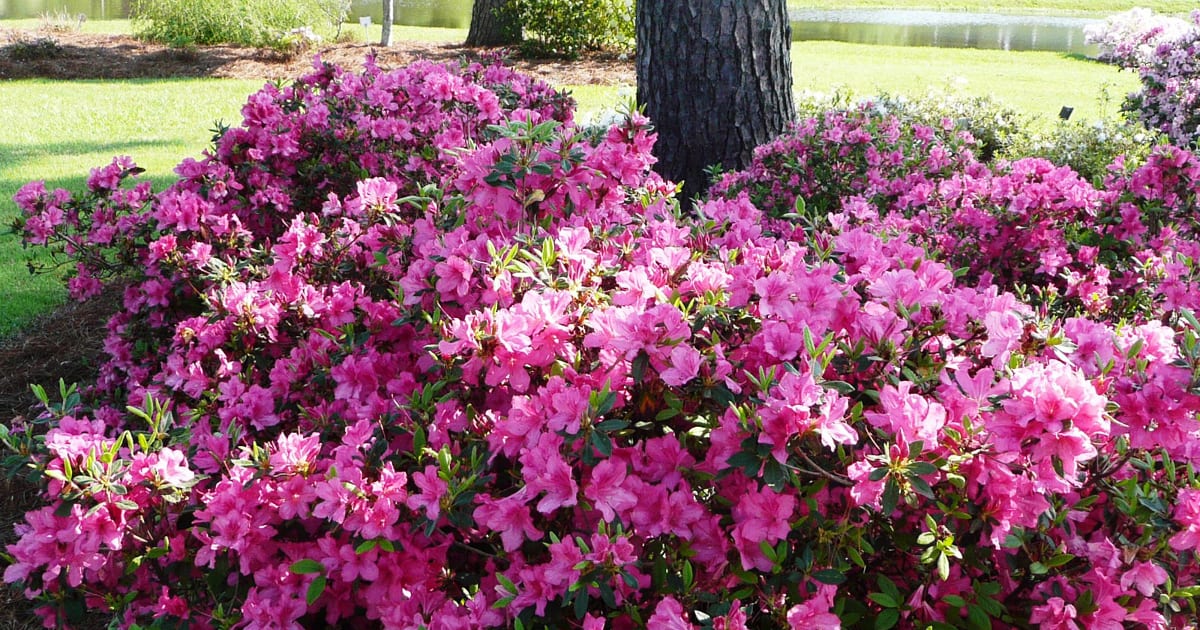
Spring is right around the corner, and it’s time to get cracking in the garden!
*While it’s starting to get warmer, we still run the risk of some wonky temperatures. Most chemicals (like weed controls, pest controls, and fungicides) have a temperature threshold, usually between 50° and 85°, that can render them inert or cause damage to the plant material they are being applied to. Always reach your product label before applying any chemicals!*
In the Garden
- Get your garden beds ready for spring planting!
- Amend soil for planting with Lobster Compost. It adds nutrients, improves drainage, and breaks up clay, making it easier to establish new plants.
- Use Preen to prevent weeds in your garden beds, so you aren’t spending your summer hand-pulling them out later. (If you’re planning to start seeds in your garden beds, wait to apply until seedlings are at least 2-3” tall).
- Get your raised beds in shape.
- Refresh existing soil with Lobster Compost to replenish nutrients that were used up last year.
- For new beds, fill with Coast of Maine Raised Bed Soil, a pre-made soil for raised bed gardening that eliminates the need to make your own. It’s organic and can also be used in containers.
- Plant cool-season veggies like lettuce, kale, and spinach outside while temperatures are still cool. They’ll tide you over until it’s safe to plant your warm-season veggies in April.
- Hardier herbs like oregano, thyme, rosemary, and lavender can be planted towards the end of the month. More tender herbs, like basil, shouldn’t be planted until the danger of frost has passed.
For the Landscape
- If you haven’t gotten around to pruning your trees and shrubs yet, there’s still time to get it done now. Make sure to skip any spring-blooming plants, pruning them now runs the risk of removing this year’s buds. Wait to prune them until they’ve finished blooming.
- Perennials, trees, and shrubs are starting to arrive, especially spring-blooming varieties. Plant them now so they can begin establishing themselves before the heat of summer arrives.
- You’ll find the best selection of fruit trees in March too
- Use Lobster Compost, to amend soil, and Root Stimulant¸ to help roots acclimate and help prevent transplant shock when planting.
- If you have issues with Voles, protect new plants by using mesh Vole Bags to keep the roots safe.
- Split large perennials once new growth has started to emerge.
- As plants start to awaken for spring, so too do the insects. Start keeping an eye out for potential pest problems so you can nip them in the bud (pun intended) before they get out of control.
- Apply All-Season Oil to catch any overwintering insect eggs before they hatch.
- Orchard Spray can be applied to fruit trees and shrubs to protect them from disease and insects.
- Fertilize your plants! New plantings can be fertilized as they’re planted, and older plants can be fed once they start putting out new growth.
- Use HollyTone for acid-loving plants.
- BulbTone is perfect for spring-blooming bulbs.
- Perennials and blooming shrubs can be fed with FlowerTone.
- Fertilome Tree & Shrub can be used for all trees and shrubs.
- Mulch around your plants. Mulch helps retain moisture which will be helpful come summer. It also insulates root systems, protecting new plants from late-season cold snaps.
In the Lawn
- March is a good time to apply Jonathan Green Crabgrass Pre-Emergent with Veri-Green to both warm and cold-season lawns for protection from crabgrass and spring fertilization. For warm-season application, wait until soil temperatures are 50° or above.
- Control late winter/spring weeds in cool-season lawns with Jonathan Green Lawn Weed Control or Bonide Weed Beater Ultra. If you applied Jonathan Green Crabgrass Pre-Emergent recently, wait at least 30 days before applying any new weed controls.
For Your Pond
- You can start cleaning all the debris and gunk from fall and winter out of your pond. Use Simply Clear to jumpstart your pond with beneficial bacteria to clarify water and break down sludge.
- Once water temperatures are consistently above 40°, you can feed your fish Spring & Fall Fish Food. Avoid giving your fish regular (or summer fish food) until water temperatures are above 50°.
Miscellaneous
- Put out a new birdhouse or clean existing homes so they’re ready for spring tenants.
- When hanging birdhouses, aim for a spot with eastern or southern exposure. Birdhouses with western exposure get too hot in summer and those with northern exposure can be too cold.
- Hang your birdhouse away from birdfeeders, the presence of other birds too close to their nest can agitate residents.
- While houseplants never go fully dormant in your home, their growth does slow down. With spring on its way, you can resume your houseplant fertilization schedule.
- It’s also a good time to repot houseplants too. If you have large houseplants, wait for a day with temperatures above 55° so you can repot them outside.