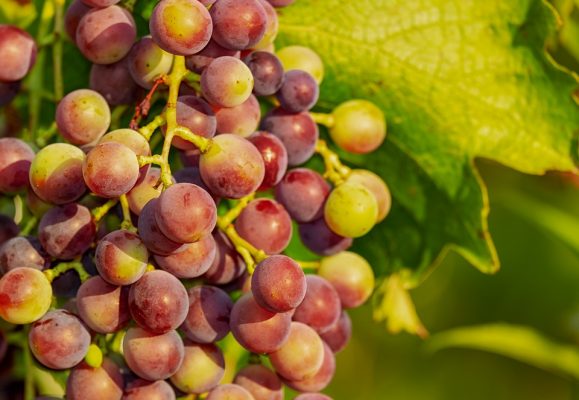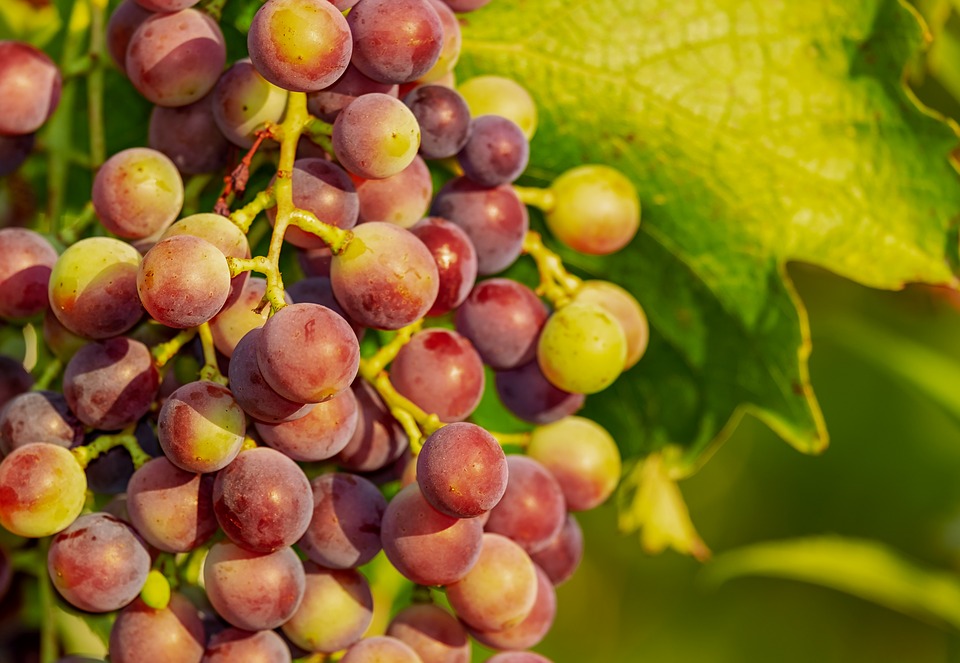

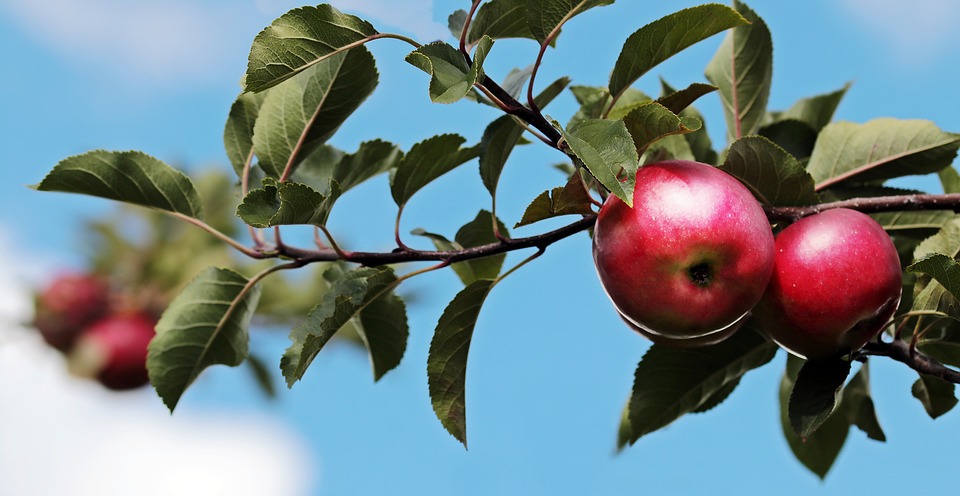
Growing your own fruit trees and shrubs is just as easy as growing ornamental trees and shrubs. Here are some tips on how to start your backyard orchard.
Preperation
- Select Your Location – Select a spot that gets at least 6 hours of sun a day and that can accommodate the size your tree or shrub will be at maturity. Some fruit trees, like apples, require a second tree nearby to produce fruit, so ensure you can accommodate more than one tree. Shrubs and some dwarf trees can be planted in large containers but will require more care.
- Prep Your Location – Test your soil to see if your pH. The ideal range for most fruits is 6.0-7.0. Blueberries, however, prefer 4.5 – 5.5. Remove existing weeds and debris from your location. If you are planting in a container, make sure to get one large enough to comfortably fit your tree or shrub, and use Coast of Maine Organic Raised Bed Mix when you plant.
- Purchase Your Plants – Fall and spring are the best times to plant fruit trees and shrubs. The soil is warm enough to stimulate root growth, but air temperatures aren’t high enough to cause stress. There is a greater selection of fruiting plants in spring and there is a chance to have your first crop the same year. In fall, however, selection can be more limited and it can be a full year before you can see your first harvest. Purchase a tree stake at the same time you purchase your tree, along with a root stimulant like Fertilome Root Stimulant, to encourage strong root development.
Planting & Caring for Your Fruit Trees
- Plant –Dig a shallow bowl. Loosen the roots away from the old soil as much, gently cutting through the outer layer if necessary with pruners or a sharp knife. Mix 1/3 Lobster Compost with 2/3 existing soil and backfill around the rootball, leaving the top 2-3” of the roots exposed. Top with mulch and install a tree stake at this time.
- Watering – Most fruit trees and shrubs need at least 1” of water per week and should be watered deeply to encourage root growth. To check if your plants need water, stick a finger into the soil near the roots, about 2-3 inches down. If the soil feels cool and damp, water is unnecessary. If the soil feels gritty and dry, water your plant deeply. Once established, your fruit plants may only need watering during dry spells. Fruit plants grown in containers will be reliant on you for their water needs at all times.
- Fertilizing – Starting in spring fertilize your fruit plants with Espoma Plant Tone or Espoma Citrus Tone according to the instructions.
- Insects and Disease – Insects and diseases are going to happen. Daily monitoring of your plants and swift action, when a problem is discovered, will prevent small pest problems from becoming big problems. Bonide Neem Oil is an organic control that works on insects, mites, and diseases making it a must-have for gardeners. Apply an insecticide and fungicide specifically for edible trees, such as Bonide Citrus Fruit and Nut Orchard Spray, to control many common plant pests.
- Harvesting – Harvest your fruits as soon as they are ready. Berries, cherries, peaches, plums, grapes, and figs are generally ready to be harvested by midsummer (depending on variety). Apples, pears, and persimmons are usually ready for harvest early to mid-fall.
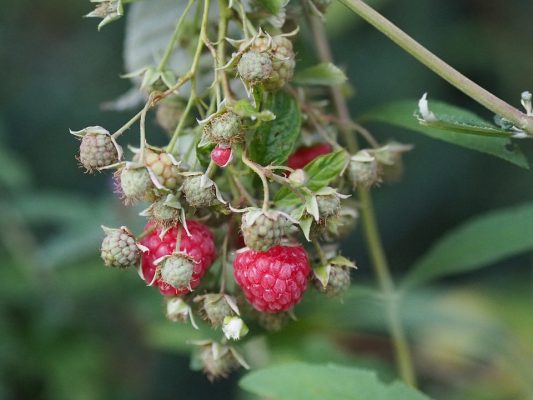
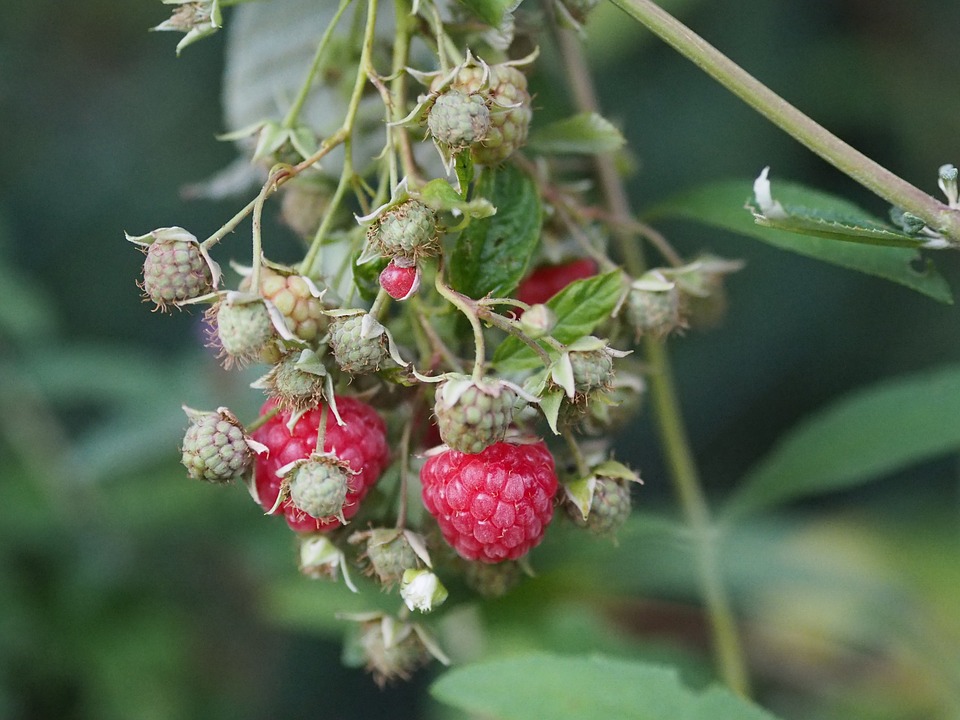
Fruit Trees & Pollination
Pollination is the transfer of pollen from one flower to another, which is necessary to produce fruits, vegetables, nuts, and seeds. Insects are the most common pollinators. Bees, in particular, are estimated to be responsible for the pollination of 80% of all flowering plants. Butterflies, flies, moths, hummingbirds, and some species of bats are also good pollinators.
Many fruit trees require cross-pollination to bear fruit. Cross-pollination is the transfer of pollen from one plant to another. This means that, for certain trees to produce fruit, they need to receive pollen from a nearby fruit tree of a different variety (i.e. an apple tree must be pollinated by a different apple tree). For best results, the trees should be planted within 100’ of each other (closer is even better). Most varieties of apple, pear, sweet cherry, and some varieties of plum need to be cross-pollinated. A few exceptions are:
- Bartlett Pear
- Braeburn Apple
- Golden Delicious Apple
- Granny Smith Apple
- Stella Sweet Cherry
Self-pollinating or self-fertile fruit trees and shrubs do not need to be cross-pollinated to bear fruit; however, they will bear more fruit if they are cross-pollinated.
The following are some of the fruit trees and shrubs that are self-fertile
- Apricot Trees
- Blackberry Vines
- Blueberry Shrubs
- Fig Trees
- Grape Vines
- Grapefruit Trees
- Lemon Trees
- Lime Trees
- Nectarine Trees
- Orange Trees
- Peach Trees
- Persimmon Trees
- Raspberry Vines
- Sour Cherry Trees