


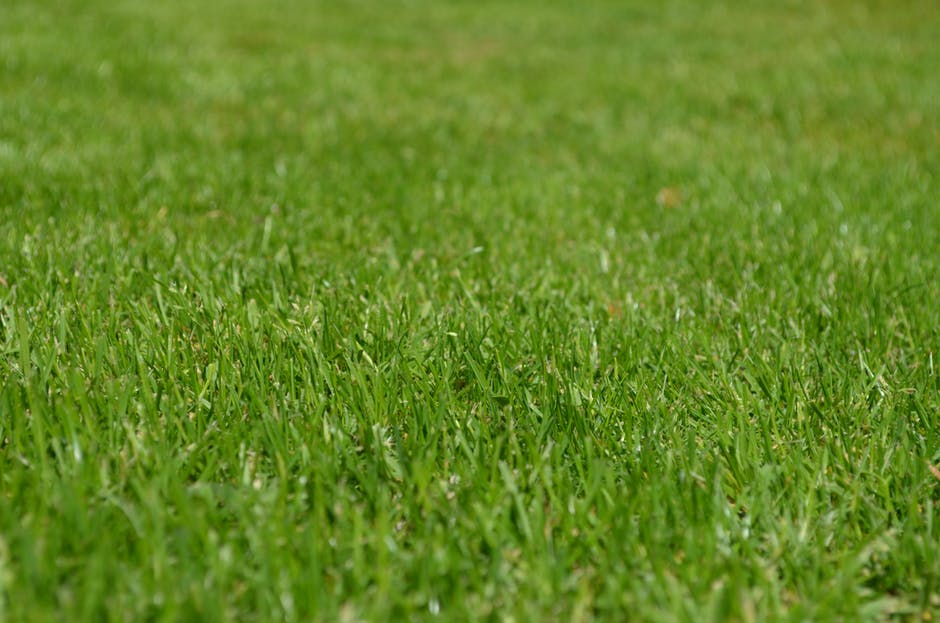
What Is a Warm-Season Lawn?
A warm-season lawn is made up of grasses that thrive in hot summer months and grow most actively when temperatures are high. These lawns typically include Bermuda, Zoysia, and Centipede grasses*, which are heat-tolerant, drought-resistant, and stay lush during the warmest part of the year.
Warm-season grasses go dormant in the cooler months, so knowing their growth cycle is key to keeping them healthy, thick, and vibrant the rest of the year. A month-by-month care plan helps you time fertilization, seeding, weed control, and other maintenance tasks to match the natural rhythm of your lawn. Following this guide ensures your warm-season grass looks its best through every season, from spring green-up to fall dormancy.
St. Augustine is another warm-season grass that can follow the warm-season lawn calendar for the most part, except for using Jonathan Green Lawn Weed Control. Also, please note that Bonide WeedBeater Ultra should not be used on Floratam St. Augustine grass.
Early Spring – March
Prepare your lawn for growth.
-
Test soil and pH, apply Mag-I-Cal if needed. Lawn pH should be between 6.2 and 7.0.
-
Apply Jonathan Green Veri-Green & Crabgrass Pre-Emergent once soil temperatures reach 50°F.
Mid Spring – April & May
Control weeds and promote growth.
-
Treat broadleaf weeds if needed:
-
Jonathan Green Lawn Weed Control
- Use Jonathan Green Weed & Feed for St. Augustine Lawns
-
Bonide WeedBeater Ultra
-
-
After grass breaks dormancy, fertilize with:
-
Jonathan Green Veri-Green
-
Jonathan Green Weed & Feed (if weeds are present)
-
-
Plant new warm-season grass once soil temps reach 65–75°F.
-
Fertilize newly seeded or sodded lawns with Jonathan Green Veri-Green for Seeding & Sodding.
-
Avoid weed controls on new lawns until they’ve been mowed 3–4 times.
Early Summer – June & July
Maintain growth and complete planting.
-
Treat broadleaf weeds as needed (avoid if planning to seed or sod within 4 weeks).
-
Complete seeding, sodding, and fertilization by July 31.
Late Summer – August
Prevent weeds and prepare for cooler months.
-
Apply Jonathan Green Crabgrass Pre-Emergent to prevent winter weeds.
-
Avoid if planning to overseed with annual rye grass.
Fall – September & October
Overseed for winter color (optional).
-
Overseed with winter/annual rye grass if desired to maintain a green lawn while warm-season grasses are dormant.
Winter – November–February
Dormant season care.
-
Lawns are mostly dormant; minimal maintenance is required.
-
Spot treat weeds with Bonide WeedBeater Ultra when temperatures are above 50°F.
Warm-Season Lawn Notes
Test soil pH and amend as needed with Mag-I-Cal to keep your warm-season lawn thriving.
If you choose to overseed with Annual Rye, follow our Lawn Renovation Guide here. Ignore For Lawn Renovation (Starting Over) when you reach Step 2: Kill Existing Weeds & Grass, instead follow the Overseeding an Existing Lawn step.
If you’re looking to care for a cool-season lawn, click here!